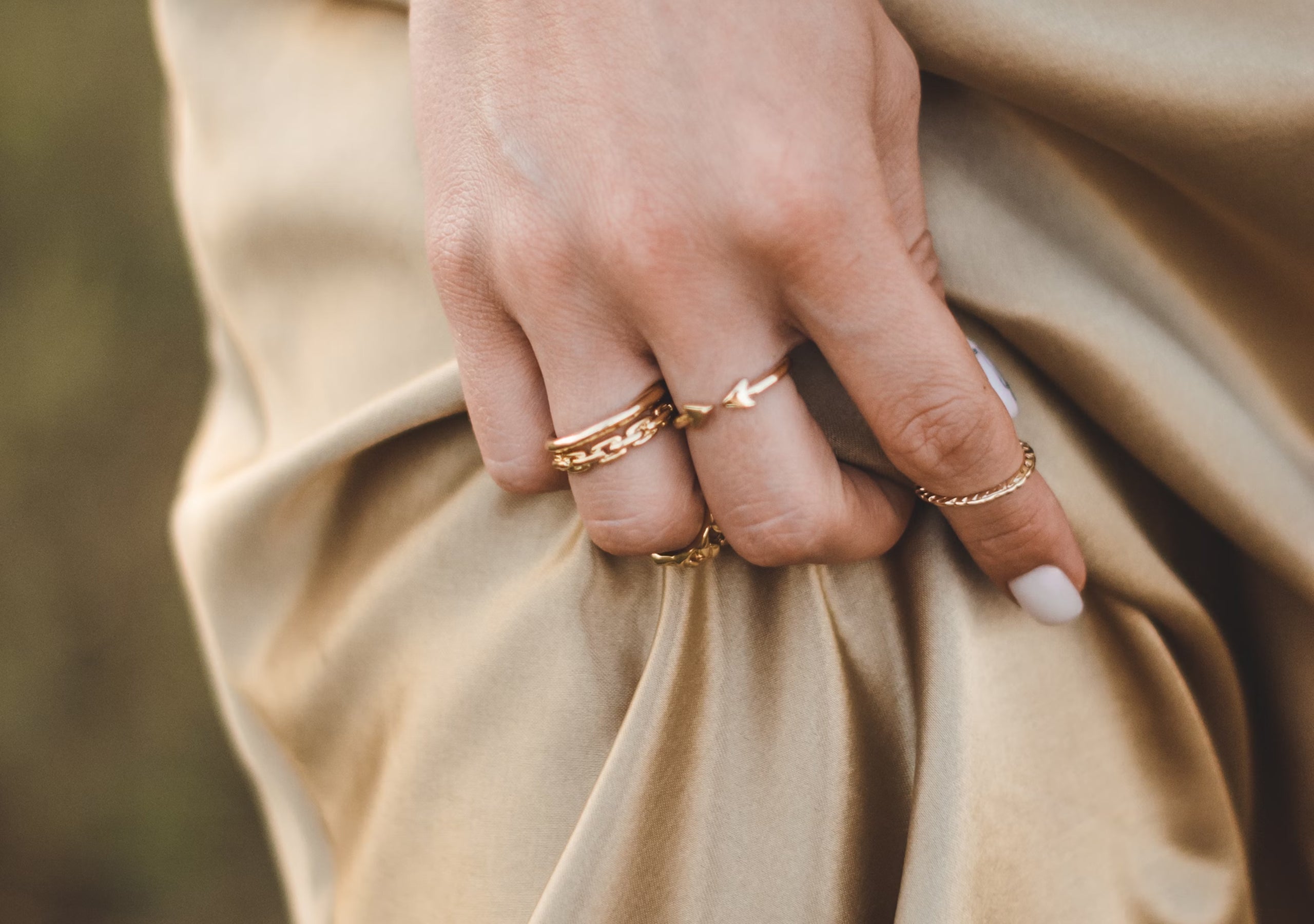
The history and symbolism of wedding bands
Wedding bands hold deep cultural and emotional significance, symbolizing eternal love and commitment. The tradition of exchanging wedding rings dates back thousands of years, with roots in ancient Egyptian, Roman, and Greek cultures. Over time, wedding bands have evolved in style, materials, and meaning, but their role in representing a lifelong bond remains unchanged.
Ancient Origins and Traditions
The earliest wedding bands were found in ancient Egypt, where couples exchanged rings made of braided hemp or leather. These circular bands symbolized eternity, with no beginning or end, signifying unending love. The Romans later adopted this tradition, introducing metal bands, often made of iron, to represent strength and permanence in marriage.
Evolution of Wedding Bands
During the Middle Ages, wedding rings became more elaborate, featuring intricate engravings and gemstone inlays. The Claddagh ring, originating from Ireland, became a popular choice, symbolizing love, loyalty, and friendship. In the Renaissance period, "Gimmel rings"—interlocking bands worn by both partners—gained popularity as a representation of unity.
Modern Styles and Materials
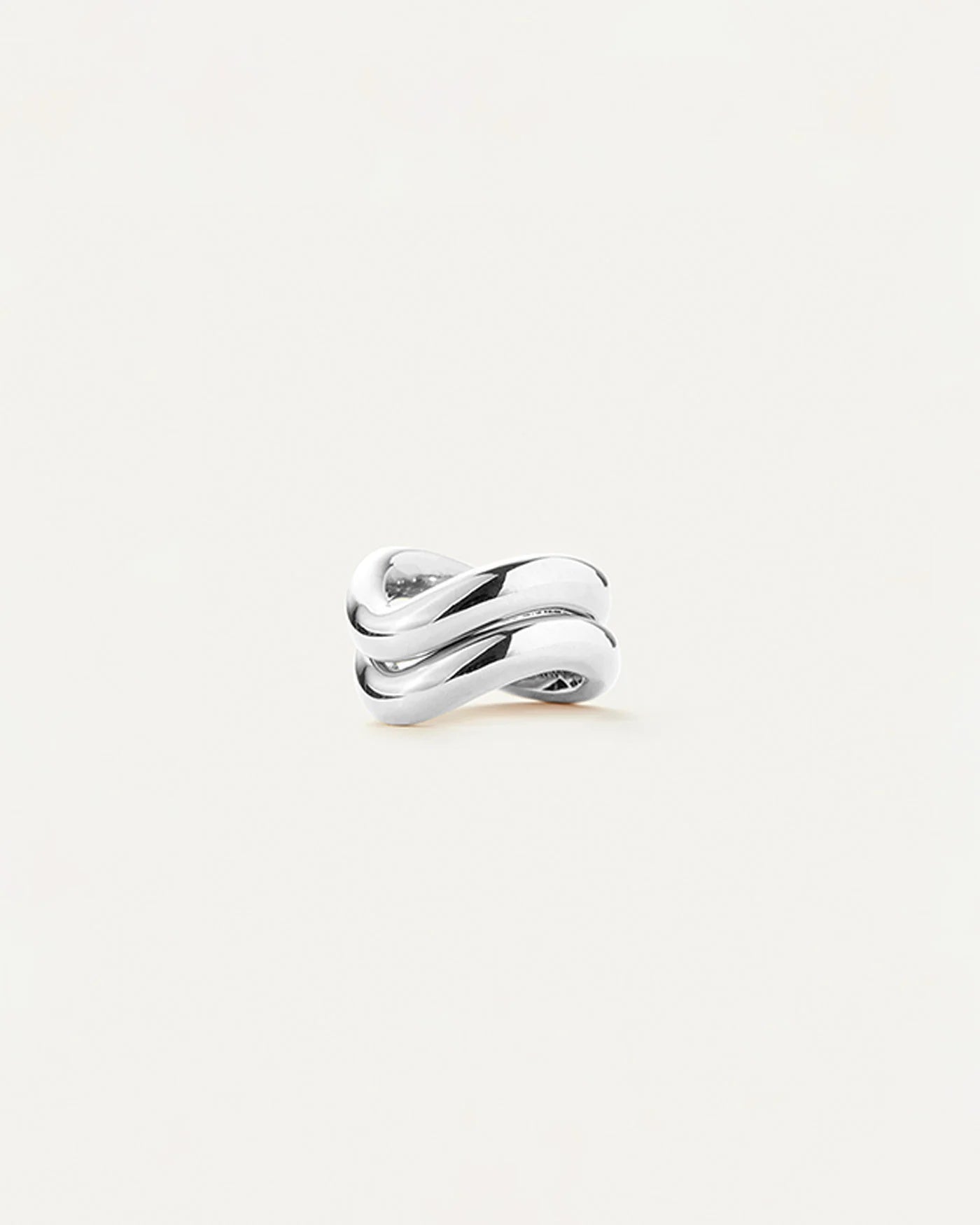
Today, wedding bands come in a variety of materials, including gold, platinum, titanium, and even alternative options like tungsten and silicone. Some couples opt for engraved bands with personal messages, while others prefer minimalist designs. Diamond-encrusted bands and mixed-metal styles have also gained traction, allowing couples to express their unique love stories through their rings.
Symbolism in Different Cultures
- In Western traditions, wedding bands are typically worn on the fourth finger of the left hand, believed to have a vein that connects directly to the heart (the "vena amoris").
- In some Eastern cultures, rings are worn on the right hand, symbolizing strength and authority in marriage.
- Jewish wedding ceremonies often feature plain gold bands, symbolizing purity and unity.
Final Thoughts
Wedding bands are more than just jewelry—they carry centuries of tradition and meaning. Whether you choose a classic gold band or a modern design, the sentiment remains the same: a promise of everlasting love and devotion.